
What is a side stitch?
It is a stabbing abdominal pain that occurs during exercise.
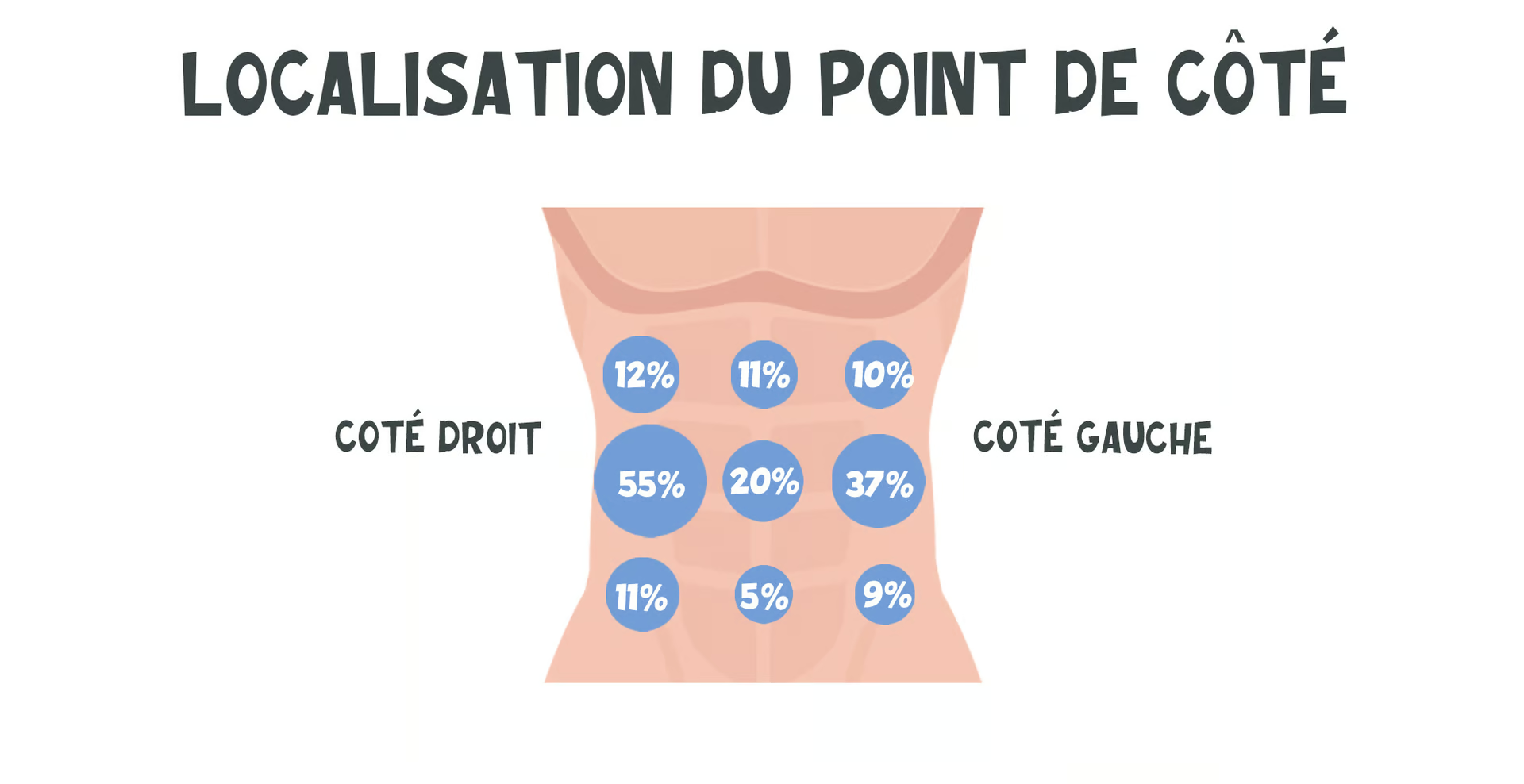
The percentages shown that exceed 100% are due to the diffuse effects of certain side stitch, which are therefore located in several of the areas identified. It's common, for example, to have pain on the right-hand side that's more central to the front, but which is also felt further down the back.
What causes side stitch?
- Muscular cramp of the diaphragm due to a lack of oxygenation during physical effort, even low-intensity exercise.
- Pain linked to poor cardiovascular adaptation to exercise.
- Pain linked to the traction exerted during physical exercise by various abdominal organs (liver, stomach, spleen) and the ligaments connecting them to the diaphragm.
- Gallbladder malfunction during activity.
- Intercostal neuralgia of nervous or even rheumatic origin.
- Issues related to the digestive system, most often due to a lack of oxygen to the digestive muscles used in the digestive phase.
- A hypothesis could also be a possible discrepancy in vasodilatation during exercise between the faster arterial system (circulatory highways) and the slower venous system (highways), which could lead to engorgement of certain organs (liver, spleen, etc.).
How to avoid side stitches?
Even if the causes are not clear, it is possible to anticipate a side stitch and get rid of this very annoying phenomenon.
The first observation that will help is to note that the side stitch is most often associated with a notion of breathlessness or dyspnea (as a reminder, breathlessness is a painful sensation of having difficulty breathing and a very strong lack of air).
Most likely, the cause of this painful stitch appears to be poor oxygenation (pulmonary and/or visceral)the simplest solution is to breathe calmly.
Our advices
1
Before any exercise, intense or not, take a moment to warm up. Remember to work all your muscle chains, not just one group after another. Effective against side stitches, a complete warm-up will also help you avoid injuries, sprains and strains.
2
Pay attention to your pace and intensity. If you start to suffocate, force yourself to breathe out deeply and for a long time. And, if necessary, slow down a little or stop your activity to return to calmer breathing. At the same time, blood circulation will also slow down, helping you to return to a balanced blood flow (hypotheses 2, 4, 6 and 7).
Here, we talk about a deep thoracic breathing, with an immediate effect to calm down the diaphragm, the cornerstone of this deep, calming breathing.
3
Although the digestive causes of side stitch are not universally recognized, it is advised not to exercise right after a meal.It is generally recommended to wait 3 hours after a meal or if you have digestive issues, particularly stomach problems.
Of course, these 3 hours do not apply to snacks or light meals, and each person will adapt to his or her own assimilation capacity, as well as to external factors. Hot weather, for example, can be an aggravating factor.
Solutions for side stitch
- Slow down or stop your effort. A few minutes will be enough to make the side stitch disappear.
- Adopt a slow and deep chest breathing.
- Lean forward and exhale the air from your lungs.
- Stay hydrated.
- Gradually resume your activity once symptoms are gone.